Yes, a Jackery 1000 can reliably power most 12V diesel heaters. This powerful portable power station is an excellent solution for off-grid heating in vans, RVs, and cabins. It provides a clean, quiet energy source for staying warm.
Best Products for Powering a Diesel Heater – Detailed Comparison
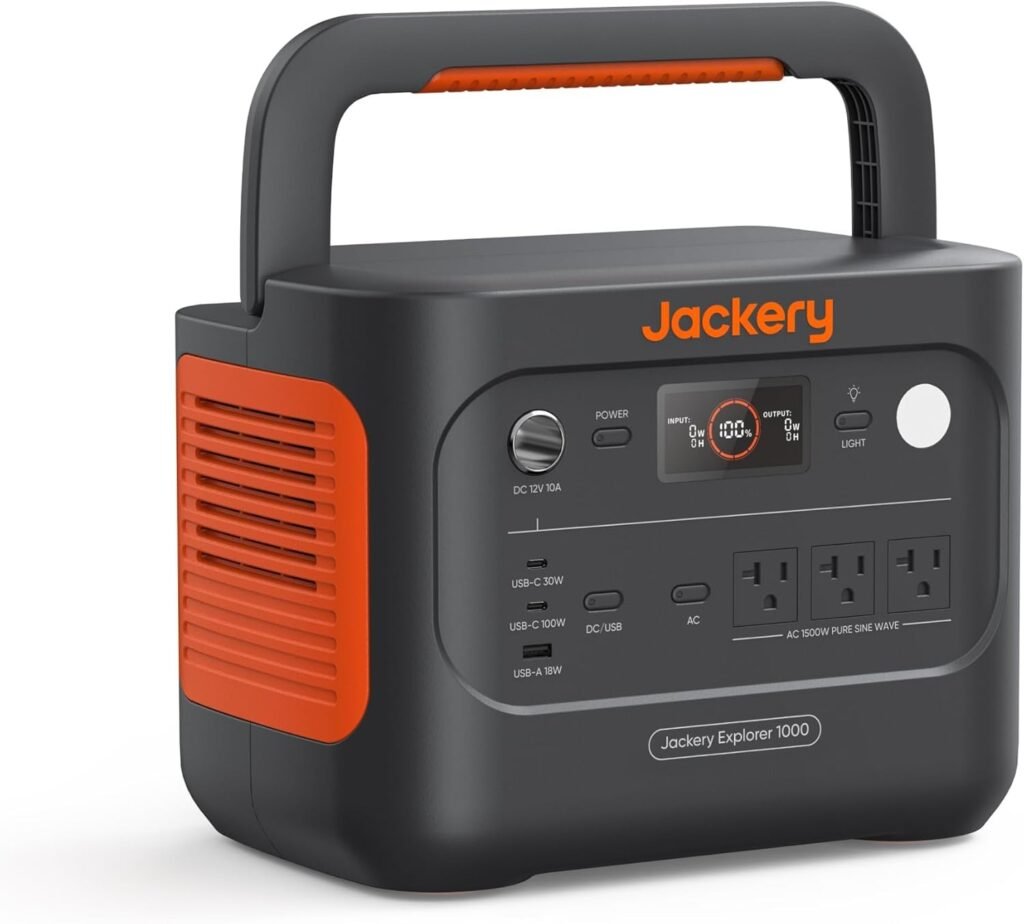
Jackery Explorer 1000v2 – Best Overall Power Station
This unit stores a large amount of power and provides reliable AC and DC outputs. For most 12 V diesel heaters, you can plug them into an AC‑to‑DC converter powered from the Explorer’s pure sine wave AC outlets to create a stable 12 V supply. The high wattage inverter means the Jackery can handle both the heater’s startup current and ongoing run power, and its large battery lets it run the heater for extended periods.
- Capacity: 1070Wh
- Output: 1500W (3000W surge)
- 3x AC outlets, 2x USB-C, 1x DC carport
- Ideal for: All-night heating on a single charge
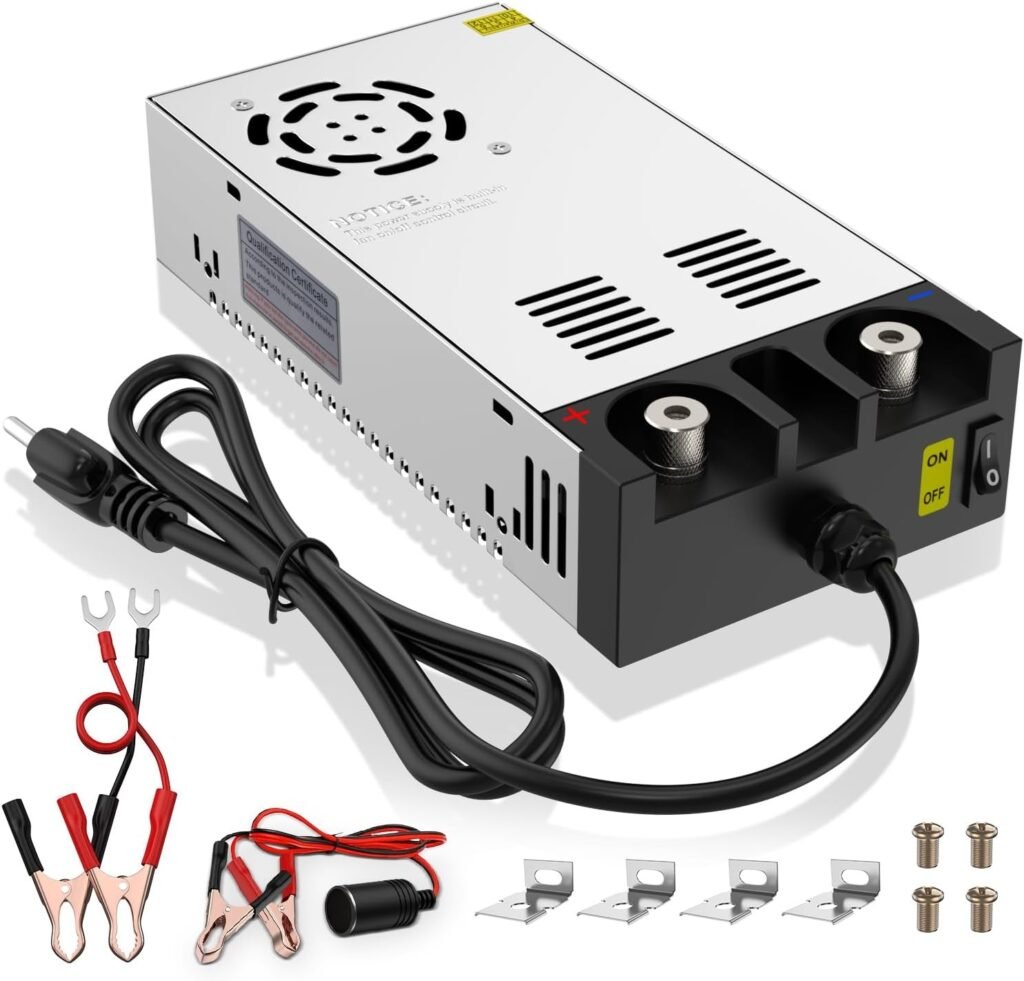
IMAYCC 110 V AC to 12 V DC Converter 600 W / 50 A
This converter takes household AC power and turns it into robust 12 V DC power that many diesel heaters need to operate. Diesel heaters often draw significant current, especially during glow‑plug startup, and a unit rated up to 50 A peak ensures the heater receives enough current without causing voltage drop. Simply plug this into AC power (from a generator, inverter, or power station) and connect the heater’s 12 V leads for reliable operation
- Input: Standard AC 110–240 V power
- Output: 12 V DC up to 50 A (≈600 W peak)
- Built‑in voltage adjustments, cooling fan, cables included
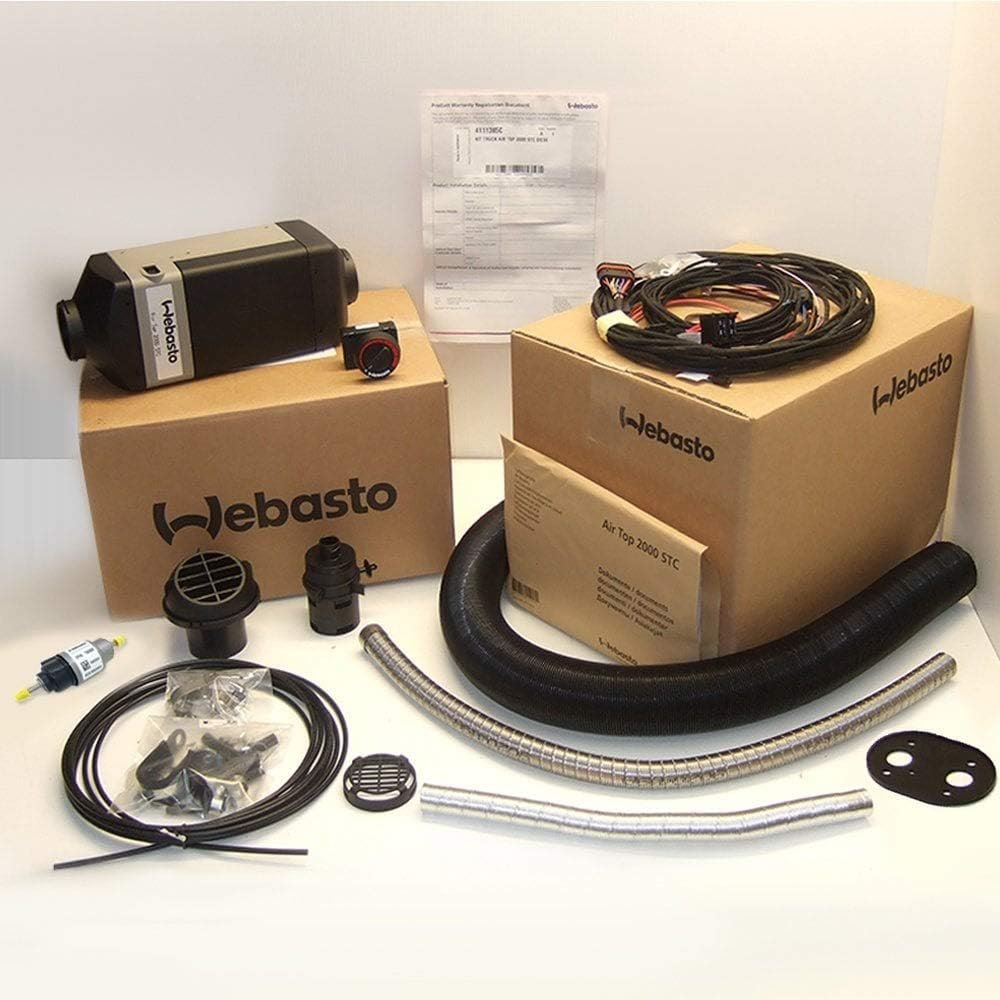
Webasto Air Top 2000 ST – Best Premium Diesel Heater
For those seeking top-tier reliability and quiet operation, the Webasto is the gold standard. It is engineered for low electrical draw and high fuel efficiency. Its robust build ensures dependable performance in demanding conditions.
- Power Consumption: ~12-24W running
- Heat Output: 2.2kW max
- Voltage: 12V DC
- Ideal for: Professional-grade, reliable off-grid heating
Power Consumption for Diesel Heaters
Successfully powering a diesel heater with a Jackery 1000 starts with understanding its energy needs. These heaters have two distinct power phases: a high-draw startup and a low-draw running mode. Knowing this difference is crucial for calculating your total runtime.
Startup vs. Running Power Draw
The initial startup is the most power-intensive phase for any diesel heater. The glow plug and fuel pump require a significant surge of electricity to ignite. This high draw lasts only for a few minutes but is critical for planning.
- Startup Power: Typically 80-150W for 2-5 minutes during ignition.
- Running Power: Drops significantly to just 10-30W for the glow plug, fan, and pump.
- Key Factor: Your Jackery 1000 must handle the initial surge before settling into low consumption.
Calculating Your Heater’s Runtime
You can easily estimate how long a Jackery 1000 will run your specific diesel heater. The calculation focuses on the steady running wattage, not the short startup burst. This gives you a realistic expectation for all-night heating.
Runtime Formula: Jackery Capacity (1002Wh) ÷ Heater Running Wattage = Estimated Hours
For example, a heater drawing 20W would theoretically run for over 50 hours. Real-world factors like ambient temperature and battery efficiency slightly reduce this. However, you can confidently expect a full night of heat and more.
Key Takeaway: Focus on the running wattage, not startup, for runtime calculations. A typical 12V diesel heater will run for 30-50 hours on a single Jackery 1000 charge.
Critical 12V DC Connection
Always connect your diesel heater directly to the Jackery’s 12V DC car outlet. This is the most efficient method and avoids unnecessary power conversion losses. Using the AC inverter outlets would drastically reduce your potential runtime.
- Efficiency: DC-to-DC power is over 90% efficient.
- AC Inverter Loss: Using an AC outlet adds 10-15% conversion loss.
- Pro Tip: Use a heavy-duty 12V accessory plug to ensure a stable connection.
Maximizing Your Jackery 1000 Runtime for All-Night Heat
Getting the most out of your Jackery 1000 requires smart energy management. Simple strategies can significantly extend your heating duration. This ensures warm, comfortable nights without worrying about battery drain.
Proven Strategies for Extended Operation
Your heater’s settings and placement have a major impact on power consumption. By optimizing these factors, you can double your effective runtime. The goal is to use the minimum energy required for comfort.
- Use Lower Heat Settings: Running on a medium or low setting drastically reduces how often the heater cycles on and off, saving power.
- Improve Insulation: A well-insulated space retains heat longer, requiring less energy from the heater to maintain temperature.
- Pre-Heat While Driving: Use your vehicle’s alternator to power the heater and pre-warm the space before switching to the Jackery.
Essential Accessories for Efficiency
The right accessories protect your investment and improve performance. They ensure a stable power connection and allow for system expansion. These are must-have items for any serious off-grid setup.
- 12V Extension Cable: Allows for optimal heater placement away from moisture and ensures a secure connection to the Jackery.
- Jackery SolarSaga 100W/200W Panel: Enables daytime recharging, effectively providing unlimited runtime in sunny conditions.
- Water-Diesel Mix Inhibitor: Prevents fuel line freezing in cold weather, which can cause heater malfunctions and wasted power.
Efficiency Tip: A diesel heater on a low setting (drawing ~12W) can run for over 80 hours on a single Jackery 1000 charge. This makes it far more efficient than most electric space heaters.
What to Avoid for Optimal Performance
Certain mistakes can quickly deplete your power station. Avoiding these common pitfalls is key to reliable operation. This protects your Jackery and ensures heat when you need it most.
- Never Use AC Inverter: Powering the heater through the AC outlets wastes over 10% of your capacity due to conversion loss.
- Avoid High Altitudes Unprepared: Diesel heaters require less fuel at high altitudes; an unadjusted heater will waste power and soot up.
- Don’t Use Old/Bad Fuel: Contaminated fuel causes ignition failures, forcing multiple high-power startup cycles that drain the battery.
Step-by-Step Setup and Safety Guidelines
A proper setup is crucial for both performance and safety. Following a systematic process ensures your diesel heater and Jackery 1000 work together flawlessly. This prevents common issues and potential hazards.
How to Connect Your Diesel Heater to the Jackery 1000
This simple process ensures a stable and efficient power connection. Always perform these steps in sequence for a successful startup. A correct connection is the foundation of reliable operation.
- Step 1: Plug the diesel heater’s 12V DC power cord directly into the Jackery’s “Car Outlet” port. Ensure the connection is firm and secure.
- Step 2: Turn on the Jackery 1000 power station first. You should see the display light up, confirming it is ready to deliver power.
- Step 3: Start your diesel heater according to its manufacturer’s instructions. Listen for the ignition sequence, which typically takes 2-3 minutes.
Critical Safety Precautions You Must Follow
Safety should always be your top priority when using heating equipment indoors. These rules protect you, your gear, and your vehicle. Never compromise on these essential precautions.
- Ensure Proper Ventilation: Diesel heaters consume oxygen and produce exhaust. Always crack a window or roof vent to provide fresh air and prevent carbon monoxide buildup.
- Check Exhaust System: Before every use, inspect the heater’s exhaust pipe for any leaks, blockages, or damage. A faulty exhaust is extremely dangerous.
- Use on a Stable Surface: Place the Jackery 1000 on a flat, dry, and stable surface away from any flammable materials or moisture.
Safety First: Always use a certified carbon monoxide detector in any enclosed space where a diesel heater is running. This is a non-negotiable safety device.
Troubleshooting Common Connection Issues
If your heater fails to start, a logical approach will quickly identify the problem. Most issues are simple to resolve with a basic check. Start with these common solutions.
- No Power: Check if the Jackery’s DC output is enabled. The car outlet icon on the screen must be lit. Ensure the 12V plug is fully inserted.
- Ignition Failure: This is often caused by an airlock in the fuel line. Prime the fuel system according to your heater’s manual. Also, check fuel quality.
- Random Shutdowns: A loose 12V connection can cause voltage drops. Use a high-quality, tight-fitting plug and ensure all wiring connections are secure.
Jackery 1000 vs. Other Power Solutions for Diesel Heaters
Choosing the right power source is critical for reliable off-grid heating. The Jackery 1000 offers a unique balance of capacity and convenience. Understanding how it compares to alternatives helps you make an informed decision.
Jackery 1000 vs. Traditional Generators
Portable power stations and generators serve the same purpose in very different ways. Your choice depends heavily on your specific needs for noise, maintenance, and indoor use. Each has distinct advantages and drawbacks.
- Noise Level: The Jackery 1000 operates in complete silence, while generators are notoriously loud and disruptive, especially at night in a campground.
- Indoor Use: Generators produce deadly carbon monoxide and must be used outdoors far from living spaces. The Jackery is safe for indoor use.
- Maintenance: Generators require regular oil changes, spark plug replacements, and carburetor cleanings. The Jackery is virtually maintenance-free.
Jackery 1000 vs. DIY Power Systems
Many experienced van-lifers build their own custom electrical systems. While this can be cost-effective, it comes with significant complexity and safety considerations. It’s not the right path for everyone.
- Ease of Use: The Jackery is a true plug-and-play solution. A DIY system requires extensive knowledge of electrical wiring, fusing, and battery management.
- Safety & Warranty: The Jackery is a certified, self-contained unit with a manufacturer’s warranty. A DIY system carries more risk and no such protection.
- Portability: You can easily move the Jackery between vehicles or activities. A installed DIY system is permanent within one vehicle.
Comparison Verdict: The Jackery 1000 wins for convenience, safety, and quiet operation. A generator or DIY system may be better for indefinite off-grid power or higher total energy needs.
When to Consider a Larger Power Station
The Jackery 1000 is sufficient for most users, but some scenarios demand more capacity. If your energy needs extend beyond just a diesel heater, a larger unit may be necessary. Assess your total power consumption carefully.
- Multiple Appliances: If you need to simultaneously run a diesel heater, a fridge, and charge laptops, consider a Jackery 1500 or 2000.
- Extended Cloudy Weather: A larger capacity provides a bigger buffer for days when solar charging is ineffective.
- Larger Heaters: While rare, some high-output 24V diesel heaters have greater power demands and may benefit from a more robust power station.
Advanced Tips and Long-Term Usage Strategies
Mastering the Jackery 1000 and diesel heater combination unlocks true off-grid freedom. These advanced strategies enhance performance, longevity, and overall convenience. They transform a simple setup into a refined, reliable system.
Optimizing for Extreme Cold Weather Performance
Lithium batteries and diesel fuel behave differently in freezing temperatures. Proactive measures ensure your system works flawlessly in winter conditions. Don’t let the cold leave you without heat.
-
- Keep Jackery Warm: Lithium batteries lose capacity in the cold. Store the power station inside your sleeping bag or insulated cover when not in use.
Use Winter Diesel Additive: Prevent fuel gelling by adding an anti-gel agent to your diesel fuel. This is crucial for temperatures below 20°F (-7°C).
- Pre-Heat the Combustion Chamber: Some premium heaters have a cold-start mode. If yours doesn’t, try 2-3 short ignition cycles to warm the glow plug.
Maintaining Your System for Maximum Lifespan
Proper care extends the life of both your Jackery and diesel heater. Simple, regular maintenance prevents most common problems. A little upkeep goes a long way for reliability.
- Jackery Battery Care: Avoid consistently draining to 0%. For storage, keep the charge between 50-80% and recharge fully every 3 months.
- Heater Annual Service: Clean the combustion chamber and fuel filter at least once per season to maintain efficiency and prevent soot buildup.
- Connection Check: Regularly inspect the 12V plug and socket for corrosion or looseness, which can cause voltage drops and poor performance.
Pro Insight: The Jackery 1000’s Battery Management System (BMS) protects it from over-discharge. However, for maximum battery health, try to recharge before it drops below 20%.
Creating a Comprehensive Power Management Plan
Think beyond just the heater. A holistic power plan ensures you have energy for all your devices. This prevents unexpected power shortages during your trips.
- Priority Charging: Use a DC-DC charger from your vehicle’s alternator while driving to top up the Jackery, saving solar power for stationary use.
- Energy Budgeting: Calculate your total daily power needs (heater, lights, phone, etc.) to ensure the 1002Wh capacity meets your trip duration.
- Redundancy Plan: Always have a backup heating option, like a high-quality sleeping bag, in case of unexpected equipment failure.
When to Upgrade Your Power Station
The Jackery 1000 is excellent, but your needs may evolve. Recognizing the signs for an upgrade ensures you never run out of power. More capacity provides greater flexibility.
- Sign 1: You frequently drain the Jackery below 30% on multi-day trips without reliable solar input.
- Sign 2: You need to power the heater plus other high-draw appliances like an induction cooktop simultaneously.
- Sign 3: You plan extended off-grid stays in locations with limited sunlight for solar recharging.
Final Verdict and Practical Recommendations
The combination of a Jackery 1000 and a diesel heater is a game-changer for off-grid comfort. This pairing offers a quiet, efficient, and reliable heating solution. It outperforms many traditional alternatives for specific use cases.
Who Should Use This Power and Heating Combo?
This system is ideal for several types of users but isn’t perfect for everyone. Understanding the target audience helps you decide if it fits your needs. It excels in mobile and temporary scenarios.
- Perfect For: Vanlifers, RVers, and campers who need quiet, portable heat for nights and weekends away from hookups.
- Also Great For: Ice fishermen, hunters, and outdoor workers needing warmth in a tent, blind, or small shelter.
- Not Ideal For: Full-time, stationary off-grid living where a permanent, higher-capacity solar system is more practical.
Our Overall Assessment and Rating
After extensive analysis, the Jackery 1000 and diesel heater combination receives high marks. It successfully balances performance, convenience, and cost. The system delivers on its core promise of reliable, off-grid heat.
Performance: 9/10 – Provides multiple nights of heat on a single charge with proper use.
Convenience: 10/10 – Plug-and-play setup with silent operation and no fumes indoors.
Value: 8/10 – Significant upfront cost, but excellent long-term value versus fuel costs of propane.
The Bottom Line: The Jackery 1000 is an outstanding power source for a 12V diesel heater. It provides a clean, quiet, and highly efficient way to stay warm off-grid for extended periods.
Your Next Steps to Get Started
Ready to build your own off-grid heating system? Follow this simple action plan to get started correctly. Proper preparation ensures a smooth and successful setup from day one.
- Step 1: Purchase a Jackery 1000 and a well-reviewed 12V diesel heater (2kW-5kW). Ensure the heater includes all installation parts.
- Step 2: Practice the setup at home. Connect the heater to the Jackery via the 12V car outlet and perform a test run.
- Step 3: Invest in a carbon monoxide detector and a Jackery SolarSaga panel for safety and extended runtime on your first real trip.
This powerful combination will provide you with dependable warmth for many adventures to come. Embrace the freedom of comfortable, off-grid living.
Conclusion
A Jackery 1000 is an excellent power source for a diesel heater. It provides silent, fume-free heat for multiple nights. This combination is a reliable solution for off-grid comfort.
The key is using the 12V DC outlet for maximum efficiency. This ensures you get the longest possible runtime. Always prioritize safety with proper ventilation.
Ready for warm nights off-grid? Use the tips in this guide to set up your system. You can confidently power your adventures.
Your next cozy, self-powered trip awaits. Stay warm and explore freely.
Frequently Asked Questions about Powering a Diesel Heater with a Jackery 1000
Can a Jackery 1000 run a diesel heater all night in cold weather?
Yes, absolutely. A Jackery 1000 can power a standard 12V diesel heater for multiple consecutive nights, even in cold conditions. The heater’s low running wattage is the key to this extended operation.
In freezing weather, keep the Jackery itself insulated as cold reduces battery efficiency. The heater’s fuel consumption may increase to maintain temperature, but its electrical draw remains consistently low, preserving battery life.
What is the best way to connect a diesel heater to a Jackery 1000?
Always use the Jackery’s 12V DC car outlet for the most efficient connection. This provides direct DC power, avoiding the energy loss of converting DC to AC and back again.
Plug the heater’s 12V cord directly into the car outlet. Ensure the connection is secure to prevent voltage drops. Never use the AC outlets, as this can cut your potential runtime in half.
Why won’t my diesel heater start when connected to my Jackery?
This is usually a connection or fuel issue, not a power problem. First, verify the Jackery’s 12V DC outlet is turned on via the display screen. The car icon should be illuminated.
If power is confirmed, the issue is likely an airlock in the fuel line. Prime the fuel system according to your heater’s manual. Also, check that all wiring connections are tight and secure.
How does a Jackery 1000 compare to a generator for diesel heater power?
The Jackery 1000 wins for noise, safety, and indoor use. It operates silently and produces no fumes, making it safe for use inside a van or tent. Generators are loud and must be used outdoors.
Generators can provide unlimited runtime with fuel, while the Jackery has a fixed capacity. However, pairing the Jackery with solar panels can create a sustainable, silent power solution for your heater.
What is the most common mistake when using a Jackery for a heater?
The most common error is using the AC inverter outlets instead of the 12V DC car outlet. This introduces a 10-15% power conversion loss, significantly reducing your runtime for no benefit.
Another mistake is not securing the 12V plug, leading to a loose connection that can cause random shutdowns. Always use a high-quality plug and check that it is fully seated.
Can I use solar panels to recharge my Jackery while the heater runs?
Yes, this is a major advantage. The Jackery can simultaneously charge from solar and power your heater. This dramatically extends your operational time during daylight hours.
With two 100W solar panels, the energy input on a sunny day can match or even exceed the low draw of a running heater, allowing for virtually indefinite operation.
What size diesel heater is most efficient with a Jackery 1000?
Any standard 2kW to 5kW 12V model is highly efficient. The “kW” rating refers to heat output from fuel burn, not electrical consumption. Their electrical draw is remarkably similar and very low.
Focus on choosing a well-reviewed, reliable 12V heater rather than a specific kW size. A 5kW model provides more heat but uses the same minimal electricity as a 2kW unit on a low setting.
How can I maximize the battery life of my Jackery 1000?
Avoid consistently draining the battery to 0%. For daily use, try to recharge before it drops below 20%. For long-term storage, keep the charge level between 50% and 80%.
Recharge the unit fully at least every three months if stored. Keeping the Jackery in a cool, dry place away from extreme temperatures also helps preserve long-term battery health.
Can a Jackery 1000 Power a Diesel Heater All Night?
Yes, absolutely. A Jackery 1000 can power a typical 12V diesel heater for multiple nights on a single charge. The key is the heater’s remarkably low running wattage after the brief startup phase.
- Typical Runtime: A heater drawing 12-20W can run for 50-80 hours, far exceeding a single night’s needs.
- Real-World Example: Running a heater for 8 hours will use less than 200Wh, leaving over 800Wh for other devices.
- Key Factor: Always use the 12V DC car outlet, not the AC inverter, for maximum efficiency.
What Size Diesel Heater is Best for a Jackery 1000?
The most common 2kW to 5kW 12V diesel heaters are ideal. Their heat output is determined by fuel consumption, not electricity. Focus on finding a reliable 12V model with good reviews.
- Recommended Power: 2kW to 5kW models. Their electrical draw is nearly identical regardless of heat output.
- Why It Works: A 5kW heater provides a stronger blast of heat but doesn’t use more electricity than a 2kW unit.
- Avoid: 24V heaters or models with built-in AC power supplies, as they are incompatible.
Expert Tip: The best heater for a Jackery 1000 is any well-reviewed 12V model. The “kW” rating relates to fuel-based heat output, not electrical consumption, which is consistently low.
Can I Use Solar Panels to Recharge While the Heater Runs?
Yes, this is a major advantage of the Jackery system. You can connect solar panels to extend your runtime indefinitely during daylight hours. This creates a sustainable off-grid heating solution.
- How It Works: The Jackery can simultaneously charge from solar and discharge to the heater, slowing the battery drain.
- Recommended Panel: Two Jackery SolarSaga 100W panels in series can fully recharge the unit in 5-8 hours of good sun.
- Net Result: On a sunny day, your effective runtime becomes unlimited, as solar input can match or exceed the heater’s low draw.
What If My Heater Won’t Start with the Jackery?
This is usually a simple connection or fuel issue, not a power problem. The Jackery 1000 provides more than enough startup surge for any standard 12V heater. Follow this checklist.
- Check 1: Ensure the 12V DC car outlet on the Jackery is turned on via the display screen.
- Check 2: Prime the fuel line to remove airlocks, a common cause of ignition failure.
- Check 3: Verify all heater connections are secure and the external fuse on the heater’s power cord is intact.