Asolutely. This portable power station is a capable solution for e-bike riders needing a mobile recharge. It provides substantial power for most popular e-bike models.
Best Power Stations for E-Bike Charging – Detailed Comparison
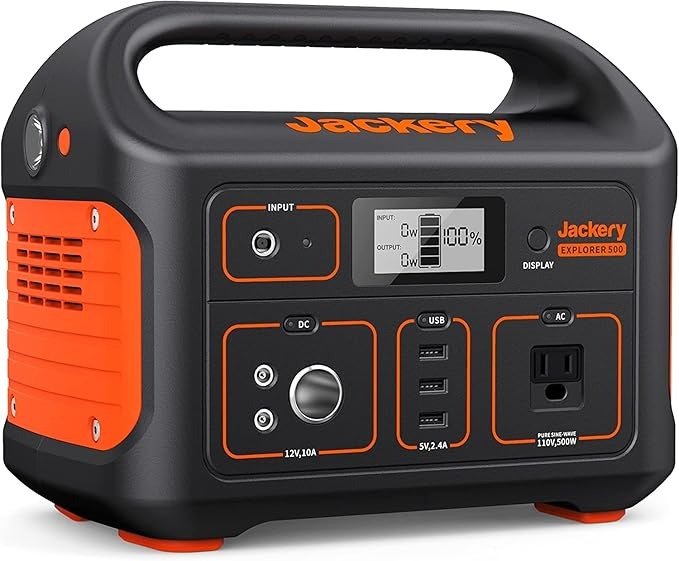
Jackery Explorer 500 – Best Overall Choice
The Jackery Explorer 500 is the ideal balance of capacity, portability, and reliability for e-bike charging. Its 518Wh capacity can typically provide one full charge for most standard e-bikes, making it perfect for day trips and weekend adventures.
- 518Wh Capacity & 500W Output (1000W Surge)
- Quiet, fume-free solar generator option
- Reliable brand with excellent customer support
Best for: Riders seeking a trusted, all-around portable power solution.
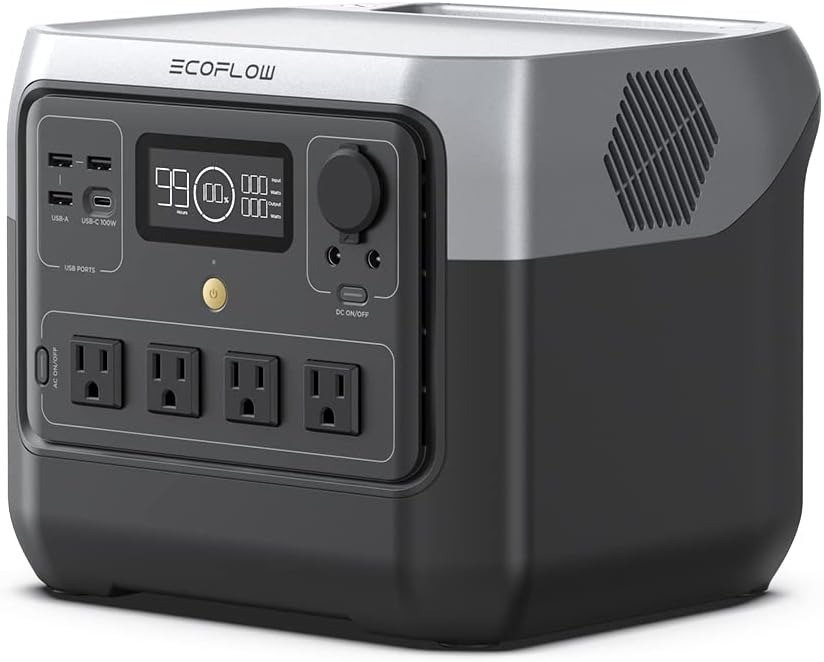
EcoFlow RIVER 2 Pro – Fastest Charging
For riders in a hurry, the EcoFlow RIVER 2 Pro leads with its X-Stream fast charging technology. It can recharge from 0% to 100% in about 70 minutes from a wall outlet, minimizing your downtime between rides.
- 768Wh Capacity & 800W Output
- Industry-leading AC outlet recharge speed
- LFP battery with a long 10-year lifespan
Best for: Users who need to recharge their power station quickly.
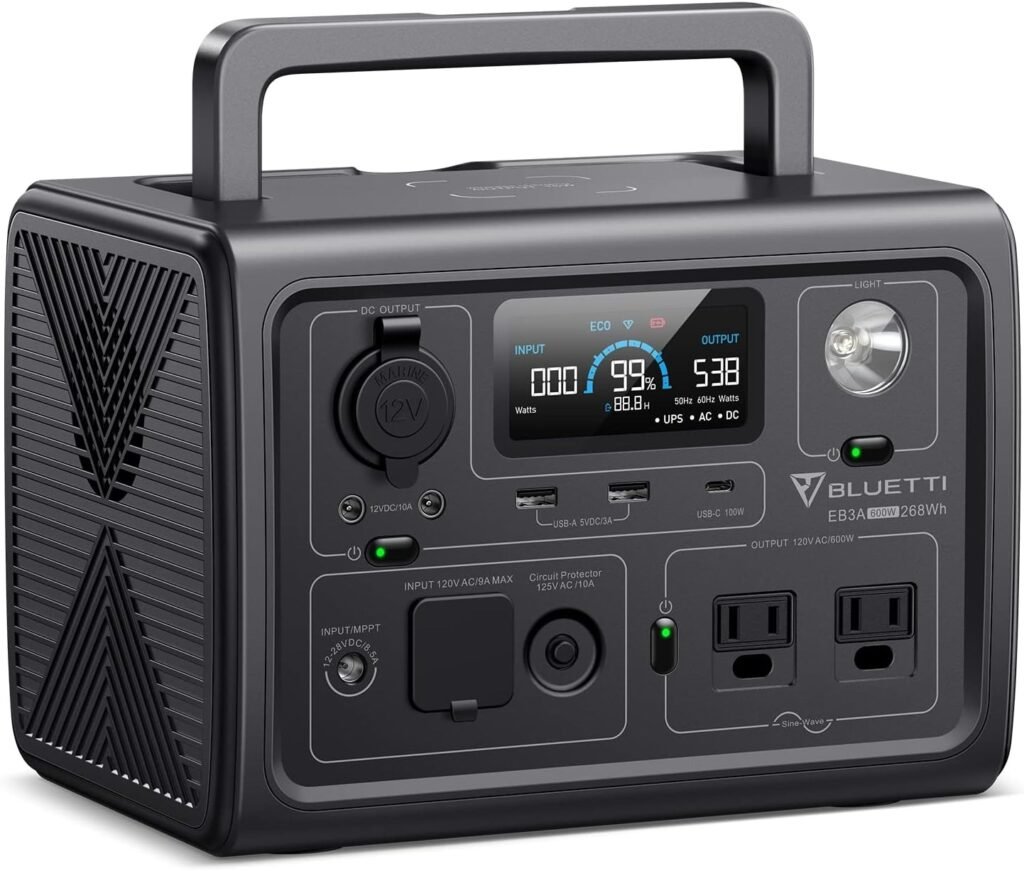
BLUETTI EB3A – Compact Powerhouse
The BLUETTI EB3A offers impressive power in a compact, lightweight design. Despite its smaller size, its 600W AC inverter and 268Wh capacity are sufficient for a partial top-up or for e-bikes with smaller batteries.
- 268Wh Capacity & 600W Output
- Ultra-portable at just under 10 lbs
- Supports solar and AC charging
Best for: Commuters and riders who prioritize portability for shorter trips.
E-Bike Battery Compatibility with the Jackery 500
Successfully charging your e-bike depends on understanding your battery’s specific needs. The Jackery 500 must be compatible with your e-bike’s voltage and charging method. This ensures a safe and efficient power transfer from the power station.
Key Factors for Charging Your E-Bike Battery
Not all e-bikes charge the same way. You must check three critical specifications before connecting to your Jackery. Ignoring these can lead to inefficient charging or potential damage.
- Battery Voltage: Most e-bikes are 36V or 48V. The Jackery’s AC outlet can handle the charger for either.
- Charger Wattage: Your e-bike charger’s wattage (found on the label) must be below the Jackery’s 500W continuous output.
- Charger Plug Type: You will use the e-bike’s standard wall charger plugged into the Jackery’s AC outlet.
How to Calculate Your E-Bike’s Power Consumption
A simple calculation determines if the Jackery 500 can fully charge your bike. You need to know your e-bike battery’s voltage and amp-hours (Ah). This reveals the total watt-hours (Wh) required.
The formula is: Voltage (V) x Amp-Hours (Ah) = Watt-Hours (Wh). For example, a common 48V 10Ah battery is 480Wh. The Jackery 500 has a 518Wh capacity, making it a suitable match for this battery size.
Key Takeaway: Always verify your e-bike charger’s wattage is under 500W. Then, use the V x Ah = Wh formula to confirm the Jackery 500’s 518Wh capacity can handle your battery size for a full or partial charge.
Step-by-Step Charging Process
Charging your e-bike with a Jackery is a straightforward process. Follow these steps to ensure a safe and effective connection every time.
- Ensure your Jackery Explorer 500 is fully charged.
- Plug your e-bike’s standard wall charger into the Jackery’s AC outlet.
- Connect the charger to your e-bike’s battery port as you normally would.
- Turn on the Jackery and monitor the charge; the process is identical to using a wall socket.
How Many Charges Can You Get from a Jackery 500?
Determining the number of charges is crucial for planning your trips. The answer depends entirely on your specific e-bike battery capacity. You can calculate this easily using a simple watt-hour comparison.
Calculating Your Expected Charge Cycles
The Jackery 500 has a 518Wh capacity, but real-world efficiency is key. Due to power conversion losses, the usable energy is approximately 80-85% of the total. This means you have about 415-440Wh of effective power for charging.
Use this formula: Usable Wh (440) / Your E-Bike Battery Wh = Approximate Full Charges. For a 360Wh e-bike battery, you would get slightly more than one full charge. A larger 504Wh battery would receive a significant partial charge.
Real-World E-Bike Charging Scenarios
Let’s examine practical examples with common e-bike battery sizes. This table shows realistic expectations for different scenarios.
| E-Bike Battery Size | Total Watt-Hours (Wh) | Estimated Charges from Jackery 500 |
|---|---|---|
| Small (36V 10Ah) | 360Wh | ~1.2 Full Charges |
| Medium (48V 10Ah) | 480Wh | ~0.9 Full Charges (Near Full) |
| Large (52V 14Ah) | 728Wh | ~0.6 Full Charges (Substantial Top-Up) |
Maximizing Your Jackery’s Charging Potential
You can extend your power station’s usefulness with smart charging habits. These strategies help you get the most from your Jackery’s capacity on every outing.
- Partial Charging: Top up your e-bike battery during breaks instead of waiting for a full drain.
- Eco Mode: Activate the Jackery’s eco-mode to reduce standby power consumption when connected.
- Combine with Solar: Use a compatible solar panel to recharge the Jackery during the day for extended trips.
Key Takeaway: For most standard e-bikes, the Jackery 500 provides approximately one full charge. Factor in a 15-20% efficiency loss for accurate trip planning. Use partial top-ups to maximize your riding range.
Jackery 500 vs. Other Power Stations for E-Bike Charging
Choosing the right power station requires comparing key specifications. The Jackery 500 sits in a competitive mid-range category for e-bike charging. Understanding its position helps you make an informed purchase decision.
Capacity and Portability Comparison
Power stations balance capacity against weight and size. The Jackery 500 offers a sweet spot for riders needing substantial power without excessive bulk. It provides enough energy for most day trips while remaining transportable.
- Jackery 500: 518Wh capacity, 13.7 lbs – Ideal for one-day excursions
- Smaller Units (300Wh): Lighter weight but may not provide a full charge
- Larger Units (1000Wh+): More charges but significantly heavier for transport
Critical Specifications for E-Bike Users
Beyond capacity, several technical factors determine real-world performance. These specifications directly impact how effectively a power station charges your e-bike battery.
| Feature | Jackery Explorer 500 | EcoFlow RIVER 2 | BLUETTI EB3A |
|---|---|---|---|
| Capacity (Wh) | 518Wh | 512Wh | 268Wh |
| AC Output | 500W (1000W Surge) | 600W (1200W Surge) | 600W (1200W Surge) |
| Weight | 13.7 lbs | 14.7 lbs | 9.6 lbs |
When to Choose a Different Power Station
The Jackery 500 isn’t the perfect solution for every scenario. Consider these alternatives if your needs extend beyond basic day-trip charging requirements.
- For Multi-Day Tours: Choose a 1000Wh+ unit like the Jackery 1000 for multiple full charges.
- For Fastest Recharge: Select an EcoFlow with X-Stream technology for rapid AC input.
- For Ultralight Packing: Opt for a smaller 300Wh unit if you only need emergency top-ups.
Key Takeaway: The Jackery 500 offers the best balance for most riders needing one reliable charge. Choose a larger capacity model for extended tours or a smaller, lighter unit for minimal emergency power.
Pro Tips for Charging Your E-Bike with a Jackery 500
Maximize your charging efficiency and extend your equipment’s lifespan with these expert techniques. Proper usage ensures you get the most power from your Jackery while protecting your valuable e-bike battery. These practices are essential for safe, reliable off-grid power.
Essential Safety Precautions and Best Practices
Safety should always be your top priority when using portable power stations. Following these guidelines prevents damage to your equipment and ensures personal safety during the charging process.
- Use on Stable Surfaces: Place the Jackery on a flat, dry surface away from direct sunlight or heat sources.
- Check Cable Integrity: Inspect all power cords for frays or damage before each use to prevent short circuits.
- Monitor Initial Connection: Watch for any unusual sounds or sparks when first plugging in your e-bike charger.
Maximizing Efficiency and Battery Longevity
Smart charging habits significantly impact your overall experience. These strategies help you conserve power and maintain your equipment in peak condition for years of reliable service.
- Activate Eco-Mode: This setting reduces phantom power drain when the Jackery isn’t under significant load.
- Charge at Room Temperature: Extreme cold or heat reduces charging efficiency and can damage lithium batteries.
- Store at 50-80% Charge: For long-term storage, keep both your Jackery and e-bike battery partially charged.
Step-by-Step Solar Charging Setup
Combine your Jackery 500 with solar panels for truly unlimited range. This solar generator configuration lets you recharge anywhere with sunlight, perfect for multi-day adventures.
- Select a compatible solar panel like the Jackery SolarSaga 100W.
- Position the panel in direct sunlight at the optimal angle facing the sun.
- Connect the solar panel to the Jackery’s DC input port using the provided cable.
- Monitor the Jackery’s display to confirm solar charging has begun successfully.
Key Takeaway: Always prioritize safety by inspecting equipment and using stable surfaces. Maximize efficiency with eco-mode and proper temperature management. For extended trips, a solar panel transforms your setup into a renewable power source.
Common E-Bike Charging Scenarios and Solutions
Different riding situations demand specific charging strategies. Understanding these common scenarios helps you prepare effectively for any adventure.
Day Trips and Commuting Solutions
For daily use, the Jackery 500 provides reliable backup power and range extension. These strategies ensure you never run out of battery during essential travels.
- Commuter Backup: Keep the Jackery at your workplace for a guaranteed return charge.
- Lunchtime Top-Up: Partial charging during breaks can extend your range by 15-20 miles.
- Multi-Rider Support: Share power between multiple e-bikes for group rides.
Extended Touring and Camping Applications
Multi-day adventures require careful power management. The Jackery 500 becomes your mobile power hub when combined with solar charging capabilities.
| Scenario | Recommended Setup | Expected Performance |
|---|---|---|
| Weekend Camping | Jackery 500 + 1 Solar Panel | Continuous power for 2-3 days of riding |
| Week-Long Tour | Jackery 500 + 2 Solar Panels | Daily full charges with optimal sunlight |
| Emergency Backup | Jackery 500 Only | One reliable charge to reach civilization |
Troubleshooting Common Charging Issues
Sometimes charging doesn’t go as planned. These quick fixes resolve the most frequent problems riders encounter with portable power stations.
- Jackery Won’t Power Charger: Check if eco-mode is enabled; disable it for consistent power delivery.
- Charger Flickers On/Off: Your e-bike charger may exceed the 500W limit during initial power surge.
- Slow Charging Rate: This is normal when using solar input; AC wall charging is significantly faster.
Key Takeaway: The Jackery 500 excels as a commuter backup and weekend adventure companion. For extended tours, pair it with solar panels. Most charging issues are resolved by checking eco-mode settings and verifying your charger’s wattage requirements.
Final Verdict: Is the Jackery 500 Worth It for E-Bike Owners?
After thorough analysis, we can provide a definitive recommendation for e-bike enthusiasts. The Jackery 500 represents a significant investment in your riding freedom.
Who Should Buy the Jackery 500 for E-Bike Charging
This power station excels in specific use cases where its capabilities provide maximum benefit. Certain rider profiles will find it indispensable for their adventures.
- Weekend Adventurers: Perfect for day trips where one reliable charge extends your range significantly.
- Commuters: Ideal for workplace charging or as emergency backup for daily rides.
- Camping Enthusiasts: Excellent for overnight trips when paired with solar charging capabilities.
Limitations and Considerations Before Purchasing
While versatile, the Jackery 500 isn’t perfect for every situation. These limitations help identify when alternative solutions might be more appropriate.
| Situation | Jackery 500 Suitability | Better Alternative |
|---|---|---|
| Multi-Day Tours | Limited (1-1.5 charges) | Jackery 1000 or larger unit |
| Ultra-Light Packing | Moderate (13.7 lbs) | Smaller 300Wh power station |
| High-Power E-Bikes | Check charger wattage | Unit with 1000W+ output |
Making Your Final Decision: Key Questions
Answer these critical questions to determine if the Jackery 500 is right for your e-bike charging needs. This simple checklist provides clarity before purchase.
- Does my e-bike charger use less than 500W? (Check the label)
- Will one full charge (or partial) sufficiently extend my typical rides?
- Am I comfortable with the 13.7 lb weight for transport?
- Do I need solar charging capability for future expansion?
Final Recommendation: The Jackery 500 is an excellent investment for most e-bike owners needing reliable off-grid power. It provides the perfect balance of capacity, portability, and functionality for day trips, commuting, and weekend adventures. Verify your charger compatibility and typical range needs before purchasing.
Conclusion
The Jackery 500 reliably charges most e-bikes using your standard charger. It provides essential power freedom for commuters and adventurers alike. This portable solution eliminates range anxiety effectively.
Always verify your e-bike charger’s wattage before connecting. Calculate your battery’s Wh needs for accurate charge estimates. These simple steps ensure optimal performance.
Use our detailed guide to make an informed purchase decision. Share your experiences with portable e-bike charging in the comments below. Your insights help fellow riders.
Your next adventure awaits with unlimited range potential. Ride farther and explore more confidently with reliable portable power.
Frequently Asked Questions About Charging an E-Bike with a Jackery 500
What is the best way to charge an e-bike with a Jackery 500?
The most effective method is using your e-bike’s standard wall charger plugged into the Jackery’s AC outlet. This maintains the manufacturer’s safe charging profile for your battery. It ensures optimal charging speed and battery health.
Always check that your charger’s wattage is under 500W. Activate the Jackery and monitor the initial connection. This process is identical to using a household wall socket.
How many full charges can a Jackery 500 provide?
You can typically expect one full charge for a standard 36V or 48V e-bike battery. The exact number depends on your specific battery’s watt-hour (Wh) capacity. A 360Wh battery will get more than one full charge.
Account for an 80-85% efficiency loss during power conversion. For a 480Wh battery, you’ll get nearly a full charge. Always calculate using your battery’s V x Ah = Wh formula.
Can you use a Jackery 500 while it’s solar charging?
Yes, the Jackery 500 supports simultaneous solar input and power output. This is called pass-through charging. It allows you to recharge your e-bike while the Jackery itself is being charged by solar panels.
Charging times will be longer when using both functions. The system prioritizes powering connected devices first. Any excess solar energy then goes to recharging the Jackery’s internal battery.
What should I do if my e-bike charger won’t work with the Jackery?
First, ensure the Jackery’s eco-mode is turned off. This setting conserves power but can prevent some chargers from initiating. Check that your charger’s wattage is below the 500W continuous output limit.
Verify all connections are secure. Some high-power chargers may exceed the initial surge capacity. Try a different AC outlet on the Jackery if available.
Is it safe to leave my e-bike charging unattended with a Jackery?
While generally safe, we recommend monitoring the charging process. The Jackery has multiple built-in safety protections against overvoltage and short circuits. However, any electrical device carries a minimal risk.
Charge in a well-ventilated, dry area away from flammable materials. Avoid leaving it charging overnight or when you’re away from the immediate area. Regular supervision is the best practice.
Which is better for e-bike charging: Jackery 500 or a larger power station?
The Jackery 500 offers the best balance for most riders needing one reliable charge. It’s portable enough for easy transport while providing substantial power. Larger units are heavier and more expensive.
Choose a larger power station only if you need multiple full charges for extended tours. For weekend trips and commuting, the Jackery 500’s capacity is typically sufficient and more cost-effective.
What is the most common mistake when using a Jackery for e-bike charging?
The most frequent error is not checking the e-bike charger’s wattage rating. Many riders assume all chargers will work without verifying specifications. Exceeding the 500W limit can cause the Jackery to shut down.
Another common issue is forgetting to disable eco-mode. This power-saving feature can prevent the charger from receiving consistent power. Always disable it before connecting your e-bike charger.