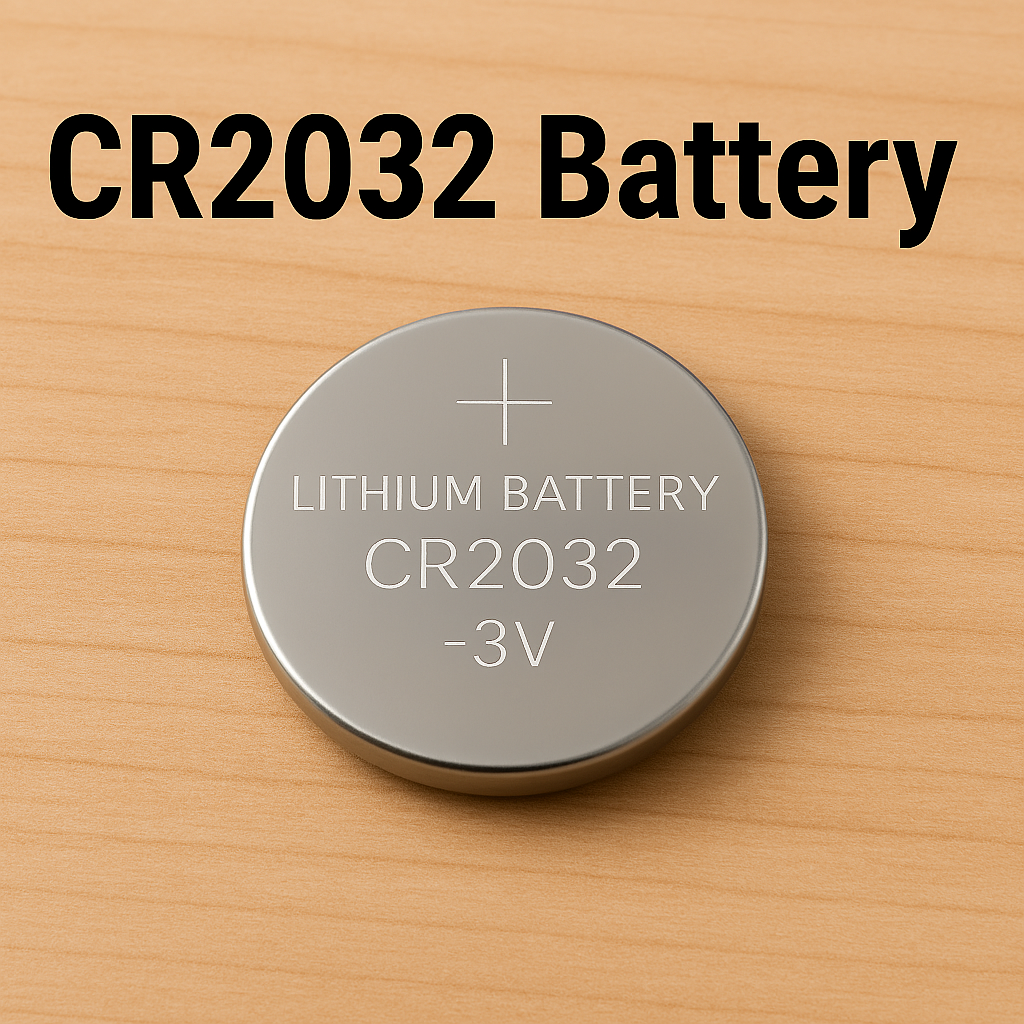
Looking for a CR2032 battery equivalent? You’re in the right place. This coin cell powers countless devices, from key fobs to watches.
Finding the correct replacement is crucial for performance and safety. Using the wrong battery can damage your electronics.
Best CR2032 Battery Equivalents – Detailed Comparison
Energizer CR2032 – Best Overall Choice
The Energizer CR2032 is the gold standard for reliability and longevity. It offers consistent 3V power and a 10-year shelf life, making it ideal for critical devices like medical equipment and car key fobs. This is the recommended choice for most general replacements.
Duracell 2032 DL2032 – Best for High-Drain Devices
Specifically labeled as DL2032, this Duracell model is perfect for high-drain electronics. It provides superior performance in gadgets like fitness trackers and LED lights that demand more power. Its optimized design ensures stable voltage output under load.
Panasonic CR2032 – Best Value Pack
For those needing multiple batteries, the Panasonic CR2032 multi-pack offers exceptional value. Known for consistent quality and leak-resistant construction, it’s the ideal, cost-effective solution for replacing batteries in household items like calculators, scales, and toys.
CR2032 Battery Equivalents and Compatibility
Not all 3V coin cells are the same. The CR2032 battery equivalent chart is essential for finding a safe, functional replacement. This section decodes the naming system and explains direct compatibility.
Using a physically compatible but electrically different battery can damage your device. Always verify the specifications before swapping.
Decoding the Battery Naming System
The code “CR2032” itself reveals key specifications. Understanding this code helps you identify true equivalents.
- “C” stands for Lithium chemistry. This is the most common type for long-life, 3V coin cells.
- “R” indicates a round (cylindrical) shape. This distinguishes it from other battery form factors.
- “2032” defines the physical size. The first two digits (20) are the diameter in millimeters. The last two (32) are the thickness in tenths of a millimeter (3.2mm).
Direct CR2032 Equivalents and Cross-Reference
Several other model numbers are direct, interchangeable equivalents for a standard CR2032. They share identical voltage, dimensions, and chemistry.
Here is a quick-reference table of the most common direct equivalents:
Equivalent Names by Brand
These are direct substitutes for CR2032, not different batteries:
| Brand / Standard | Equivalent Code | Notes |
|---|---|---|
| IEC Standard | 5004LC | International code |
| ANSI / NEDA | 5004LC | North American standard |
| Duracell | DL2032 | Common retail label |
| Energizer | ECR2032 | Common retail label |
| Panasonic | CR2032 / BR2032 | BR2032 has longer shelf life, lower capacity |
| Maxell | CR2032 | Standard lithium coin cell |
| Sony | CR2032 | Standard lithium coin cell |
| Renata | CR2032 | Swiss-made precision battery |
| Seiko | SB-T15 | Used in watches |
| Philips | CR2032 | Standard lithium coin cell |
| Toshiba | CR2032 | Standard lithium coin cell |
| Varta | CR2032 | Standard lithium coin cell |
| Kodak | KCR2032 | Branded variant |
Buying Tips
| Tip | Why It Matters |
|---|---|
| Choose trusted brands | Ensures voltage stability and longevity |
| Check expiration dates | Older stock may have reduced capacity |
| Buy multi-packs | Cost-effective for frequent use |
| Confirm size | Avoid confusion with CR2025 (thinner) or CR2016 |
Key Takeaway: Batteries labeled CR2032, DL2032, and ECR2032 are generally directly interchangeable. The BR2032 is also compatible for most uses and excels in extreme temperatures.
Non-Equivalent Batteries to Avoid
Some batteries look similar but are NOT safe replacements. Using them can lead to poor performance or device failure.
- CR2025: Thinner (2.5mm). It may not make proper contact and has less capacity.
- CR2016: Even thinner (1.6mm). It will likely not fit securely in the battery compartment.
- LR44/SR44: These are smaller, 1.5V alkaline/silver oxide batteries. Voltage and size are completely wrong.
Always check the number stamped on your old battery. Matching the last four digits (2032) is the safest rule.
How to Choose the Right CR2032 Replacement Battery
Selecting the best equivalent goes beyond matching model numbers. You must consider your device’s specific needs and the battery’s technical specs. This guide helps you make an informed choice.
Key factors include capacity, brand reputation, and special features. Prioritizing these ensures optimal device performance and longevity.
Comparing Battery Capacity (mAh Ratings)
Milliampere-hour (mAh) rating indicates total energy storage. A higher mAh means longer battery life between replacements.
- Standard Capacity: Most CR2032 batteries offer 220-240 mAh. This is sufficient for typical uses like key fobs or calculators.
- High-Capacity Options: Some premium brands offer 240-260 mAh. These are ideal for power-hungry devices like Bluetooth trackers.
- Check Packaging: The mAh rating is usually listed on the blister pack or data sheet. Compare options for the best value.
Pro Tip: For critical devices (e.g., medical monitors), always choose a name-brand battery with a verified high mAh rating. Don’t compromise on capacity.
When to Consider Specialized Equivalents
Standard CR2032 batteries work for most situations. However, some environments demand specialized chemistry.
Here’s when to choose an alternative:
| Battery Type | Best Use Case | Key Advantage |
|---|---|---|
| Standard CR2032 | Room-temperature electronics (watches, remotes) | Widely available, cost-effective. |
| BR2032 | Extreme temperatures (car key fobs, outdoor sensors) | Superior performance in both high and low temperatures. |
| Rechargeable LIR2032 | High-drain devices you frequently access (LED toys, test equipment) | Can be recharged hundreds of times, reducing waste. |
Step-by-Step Selection Guide
Follow this simple process to guarantee you pick the perfect equivalent every time.
- Remove and Inspect: Take the old battery out. Note the exact model number (e.g., CR2032) and any brand markings.
- Check Device Manual: Consult your device’s manual for any specific battery brand or chemistry recommendations.
- Match Specifications: Ensure the replacement matches voltage (3V), size (20×3.2mm), and terminal type (+/- orientation).
- Purchase from Reputable Source: Buy from trusted retailers to avoid counterfeit batteries with false capacity claims.
Common Applications
CR2032 batteries are ideal for low-drain, long-life devices. Typical uses include:
- Car key fobs and garage remotes
- Motherboard CMOS memory
- Watches and small clocks
- LED tea lights and toys
- Blood glucose monitors and digital thermometers
- Fitness devices and heart rate monitors
Capacity: 220–240 mAh
Shelf Life: 5–10 years
CR2032 Battery Safety, Handling, and Storage Tips
Proper handling ensures safety and maximizes battery life. Lithium coin cells are generally safe but require specific precautions. Ignoring these can lead to leaks, damage, or rare safety hazards.
Following best practices protects both you and your electronic devices. This section covers essential safety and maintenance guidelines.
Essential Safety Precautions for Lithium Batteries
While stable, CR2032 batteries contain reactive lithium. Adhering to these rules prevents accidents.
- Do Not Recharge: Standard CR2032 batteries are not rechargeable. Attempting to charge them can cause overheating or rupture.
- Avoid Short Circuits: Never let the battery’s positive (+) and negative (-) terminals touch metal objects like keys or coins together. This can generate dangerous heat.
- Keep Away from Children and Pets: If swallowed, these batteries can cause severe internal burns and require immediate emergency care.
Critical Warning: If a battery is swallowed, seek medical attention immediately. Do not induce vomiting. Bring the battery packaging or a similar battery to help doctors with identification.
Correct Installation and Polarity
Installing the battery incorrectly can prevent your device from working or damage its circuitry. Always observe proper orientation.
- Identify the Polarity: The CR2032 has a positive (+) side, typically marked and slightly smaller. The negative (-) side is the larger, flat metal surface.
- Check the Compartment: Look for a “+” or “-” symbol inside the device’s battery holder. The compartment is often spring-loaded on the negative side.
- Insert Gently: Place the battery with the correct side facing down. Apply gentle, even pressure until it snaps into place. Do not force it.
Optimal Storage for Longevity
Storing spare batteries correctly preserves their charge and shelf life. Poor storage leads to premature discharge.
Follow these storage best practices:
| Do | Don’t |
|---|---|
| Store in original packaging or a plastic case. | Leave batteries loose in a drawer where terminals can touch. |
| Keep in a cool, dry place at room temperature. | Expose to high heat, direct sunlight, or humidity. |
| Keep batteries in their original packaging until needed. | Carry loose in a pocket or bag with metal items. |
Proper storage maintains the battery’s advertised 10-year shelf life. Always check the expiration date on the package before use.
Common CR2032 Applications and Device-Specific Advice
Knowing where these batteries are used helps you choose the right equivalent. Different devices have unique power demands and access requirements.
Applying device-specific knowledge prevents frustration and ensures reliable operation. Let’s explore the most common uses.
Electronics and Personal Devices
CR2032 batteries are the powerhouse for many small electronics. Their compact size and stable voltage are ideal.
- Computer Motherboards (CMOS): This battery maintains BIOS settings and the system clock. Use a high-quality, name-brand battery like Energizer or Panasonic to avoid data loss.
- Watches and Calculators: These are low-drain devices. A standard capacity CR2032 from any reputable brand will provide years of service.
- Fitness Trackers and Pedometers: Choose a battery with a higher mAh rating (240+) for longer life between changes, as these devices frequently transmit data.
Automotive and Security Devices
In these applications, reliability is non-negotiable. Battery failure can lead to being locked out or security breaches.
Follow this device-specific guidance:
| Device Type | Recommended Battery | Critical Tip |
|---|---|---|
| Car Key Fob | BR2032 or Premium CR2032 | The BR2032 handles extreme car interior temperatures better. Reprogramming may be needed after replacement. |
| Home Security Sensors | Standard or High-Capacity CR2032 | Check the sensor’s low-battery alert first. Change all sensors in a system at the same time for consistency. |
| Garage Door Opener Remote | Any Reliable Brand Equivalent | Ensure the battery contacts in the remote are clean and not corroded before inserting the new battery. |
Expert Advice: For car key fobs, write down the exact procedure to re-sync your remote before removing the old battery. Some models require immediate steps after battery replacement.
Troubleshooting Post-Replacement Issues
If your device doesn’t work after a battery change, don’t assume the battery is bad. Systematic troubleshooting usually finds the cause.
- Verify Installation: Double-check the battery is seated correctly with the right polarity (+/-). This is the most common mistake.
- Clean the Contacts: Use a cotton swab and a small amount of isopropyl alcohol to clean the metal contacts in the device. Remove any corrosion or debris.
- Reset the Device: Some electronics (like calculators) have a tiny “reset” pinhole button. Press it with a paperclip after installing the new battery.
- Test Battery Voltage: Use a multimeter to confirm the new battery outputs at least 3.0 volts. A reading below 2.8V indicates a dead cell.
Environmental Impact and Disposal of CR2032 Batteries
Proper end-of-life handling for CR2032 batteries is crucial. They contain materials that should not go to landfill. Responsible disposal protects the environment and complies with local regulations.
Why You Must Recycle Lithium Coin Cells
CR2032 batteries are not typical household waste. Their chemical composition demands special handling.
- Lithium Content: The reactive lithium metal can pose a fire risk if crushed or compacted in garbage trucks or landfills.
- Recoverable Materials: Recycling recovers valuable metals like steel, manganese, and lithium for reuse in new products.
- Environmental Protection: It prevents heavy metals and chemicals from potentially leaching into soil and groundwater.
Key Fact: In many regions, it is illegal to dispose of lithium batteries in regular household trash. Always check your local municipality’s guidelines.
How to Recycle CR2032 Batteries Correctly
Recycling these small batteries is a simple, responsible habit. Follow this clear process.
- Prepare for Storage: Tape the terminals of used batteries with clear tape before collection. This prevents any residual charge from causing a short circuit.
- Find a Drop-Off Location: Use online locators from Call2Recycle or Earth911. Many electronics retailers, hardware stores, and municipal waste centers have free drop-off bins.
- Utilize Mail-Back Programs: Some manufacturers and organizations offer pre-paid mailer kits for battery recycling, ideal for collecting many at once.
- Drop Off: Take your taped batteries to the designated collection point. Do not mix them with lead-acid or alkaline batteries if separate bins are provided.
Eco-Friendly Alternatives: Rechargeable Options
For devices you use frequently, a rechargeable equivalent can significantly reduce waste.
Consider the LIR2032 rechargeable battery:
| Aspect | LIR2032 Rechargeable | Standard CR2032 |
|---|---|---|
| Chemistry | Lithium-Ion | Lithium Manganese Dioxide |
| Voltage | 3.6V (nominal), ~4.2V fully charged | 3.0V |
| Key Consideration | Higher voltage may damage devices not designed for it. Check device compatibility first. | Standard voltage for most 3V coin cell devices. |
| Best For | Hobbyist electronics, frequently accessed test equipment, reducing long-term waste. | Standard, low-drain consumer devices where replacement is infrequent. |
Only use LIR2032 if your device explicitly supports its higher voltage. Otherwise, stick with disposable batteries and recycle them.
Expert Tips for Maximizing CR2032 Battery Life
Extending the life of your batteries saves money and reduces waste. Simple habits can significantly impact performance. These expert tips go beyond basic replacement.
Implementing these strategies ensures your devices run longer on a single battery. Focus on usage patterns and environmental factors.
Optimizing Device Settings and Usage
How you use the device directly affects battery drain. Smart usage is the first line of defense for longevity.
- Minimize Unnecessary Signals: For devices like key fobs or Bluetooth trackers, avoid repeatedly pressing buttons out of range. This forces high-power transmission attempts.
- Leverage Power-Saving Modes: If your fitness tracker or watch has a battery saver or screen timeout feature, enable it to reduce background activity.
- Store Devices Properly: If storing a device long-term (like a spare remote), remove the CR2032 battery completely to prevent slow discharge and potential leakage.
Pro Insight: A battery in a cold device drains faster. For example, a car key fob left in a freezing car overnight will have reduced performance until it warms up.
Handling and Maintenance Best Practices
Physical care of both the battery and the device contacts is crucial for efficient power transfer and preventing premature failure.
Follow this maintenance checklist:
| Action | Benefit | How-To |
|---|---|---|
| Clean Battery Contacts | Ensures optimal electrical connection, reducing resistance and wasted energy. | Use a cotton swab dipped in isopropyl alcohol to gently clean the metal springs/contacts in the device. |
| Handle with Dry Hands | Prevents corrosion from skin oils and salts on the battery terminals. | Hold batteries by the edges. If needed, use clean, dry tweezers for placement. |
| Check for Compartment Damage | A damaged holder can cause poor contact, leading to erratic device behavior and faster drain. | Ensure the metal contacts are springy and not bent. The battery should sit snugly without being forced. |
When to Proactively Replace Batteries
Don’t wait for complete failure. Proactive replacement prevents data loss and inconvenient lockouts.
- Monitor Warning Signs: Replace the battery at the first sign of a “low battery” icon, a dimming display, or intermittent function (e.g., a key fob that only works up close).
- Schedule for Critical Devices: For non-alerting devices like computer motherboards (CMOS), replace the CR2032 battery every 3-5 years as preventative maintenance.
- Replace in Groups: If multiple identical devices (e.g., security sensors) were installed simultaneously, replace all their batteries at the same time to maintain synchronized performance.
Proactive replacement is cheaper and less stressful than dealing with a dead device at a critical moment.
Conclusion: Your Complete Guide to CR2032 Battery Equivalents
Finding the right CR2032 battery equivalent is simple with the right knowledge. You now understand the naming codes, direct replacements, and critical safety tips. This ensures your devices receive reliable power.
Remember to prioritize capacity and brand quality for important electronics. Always verify the model number and recycle used batteries responsibly.
Use our detailed chart and recommendations for your next purchase. Keep this guide bookmarked for future reference.
You can now replace any CR2032 battery with complete confidence and expertise.
Frequently Asked Questions about CR2032 Battery Equivalents
What is the difference between CR2032 and DL2032 batteries?
There is no functional difference. Both are 3V lithium coin cells with identical 20mm x 3.2mm dimensions. The “CR” and “DL” are simply different manufacturer prefixes for the same technical specification.
You can use a DL2032 as a direct replacement for a CR2032 in any device. Duracell commonly uses the DL2032 designation for their version of this battery.
How to test a CR2032 battery to see if it’s still good?
Use a digital multimeter set to DC voltage. Place the red probe on the battery’s positive (+) side and the black probe on the negative (-) side. A fresh battery will read approximately 3.3 volts.
A reading below 3.0 volts indicates the battery is depleted and should be replaced. This is the most reliable method, more accurate than just checking if a device works.
Can I use a CR2032 instead of a CR2025 battery?
Not recommended. A CR2032 is thicker (3.2mm vs. 2.5mm). It may not fit in the compartment or could put pressure on the device’s housing, potentially causing damage.
Always use the exact thickness specified by your device. The CR2025 has less capacity, so a forced fit with a CR2032 could also lead to connection issues.
What is the best CR2032 battery for a car key fob?
For car key fobs, a BR2032 battery is often the best choice. It uses lithium/carbon monofluoride chemistry, which performs better in the extreme temperature fluctuations a car key experiences.
If a BR2032 is unavailable, choose a premium brand CR2032 from Energizer or Duracell. Ensure you know how to re-sync your remote after replacement.
Why does my new CR2032 battery die so quickly?
Rapid drain usually points to a device issue, not the battery. Common causes include dirty battery contacts, a stuck button, or a defective component in the device creating a short circuit.
It could also be a counterfeit battery with a falsely labeled capacity. Always purchase from reputable retailers and clean the device’s contacts with isopropyl alcohol.
Are rechargeable LIR2032 batteries a good alternative?
They can be, but with caution. LIR2032 batteries have a higher nominal voltage (3.6V) compared to 3.0V. This can damage devices not designed for it.
Only use an LIR2032 if your device manual explicitly states compatibility with rechargeable 3.6V cells. They are best for hobbyist projects where you control the circuit.
What should I do if a CR2032 battery gets hot?
Immediately remove the battery from the device using non-conductive tools if safe to do so. Place it on a non-flammable surface in a well-ventilated area away from people.
A hot battery indicates a dangerous short circuit or internal failure. Do not attempt to recharge it or put it in another device. Dispose of it properly at a recycling center.
Where is the best place to buy genuine CR2032 batteries?
Purchase from authorized retailers like major electronics stores, pharmacies, hardware stores, or directly from brand websites. This minimizes the risk of buying expired or counterfeit batteries.
Avoid unknown sellers on generic online marketplaces offering prices that seem too good to be true. Genuine batteries from trusted brands ensure safety and advertised performance.