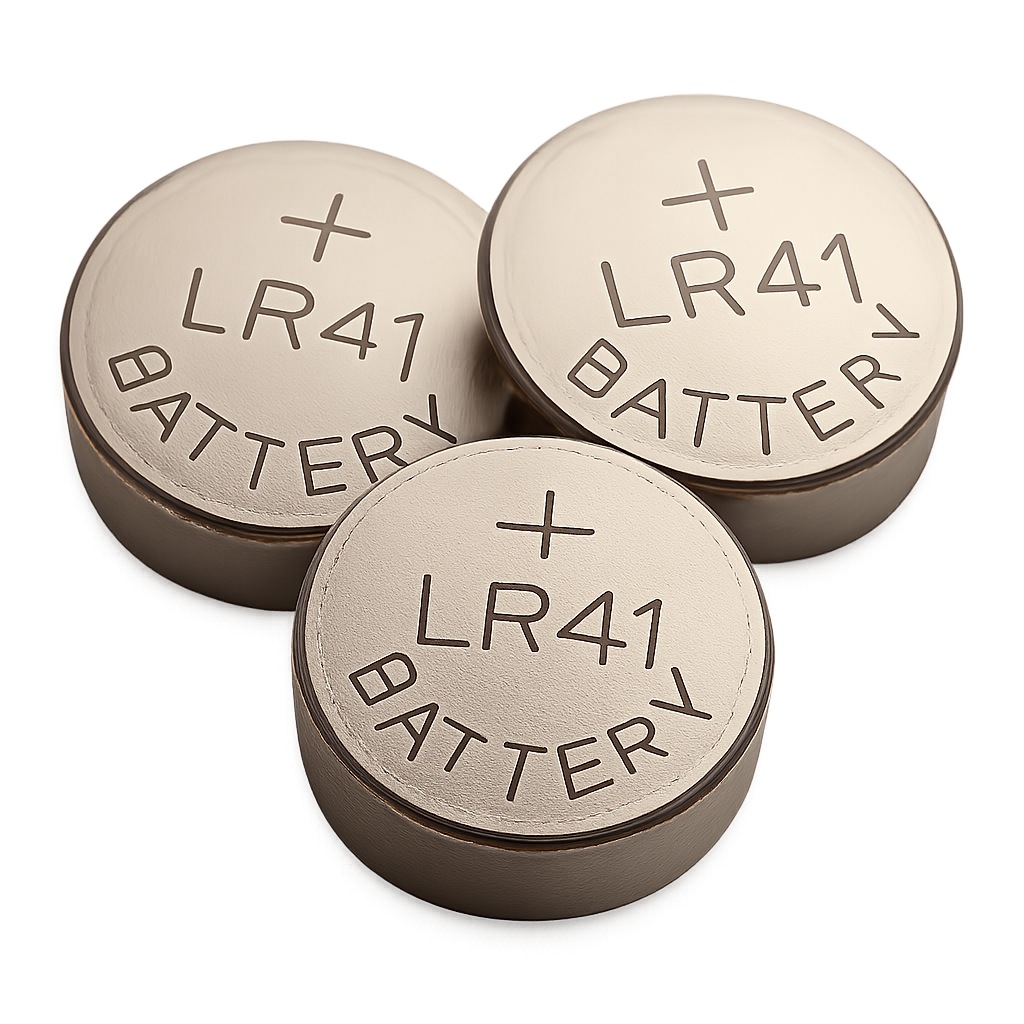
LR41 battery equivalents are numerous and can be confusing. This complete guide provides a definitive cross-reference chart. You will find the exact replacements for your device.
Using the wrong battery can damage electronics or reduce performance. Our expert chart ensures you always choose the correct, safe alternative. Never be stuck with a dead device again.
This guide details all compatible batteries like AG3, 392, and G3. You will learn key specifications and get proven methods for identification. Master your battery replacements with confidence.
Best LR41 Battery Equivalents – Detailed Comparison
Energizer 392/AG3 Battery – Best Overall Choice
The Energizer 392 is the most widely available and reliable LR41 equivalent. It delivers consistent 1.55V power and is ideal for watches, calculators, and key fobs. Its strong brand reputation ensures quality and longevity, making it the top recommended option for general replacement needs.
Duracell 192/AG3 Battery – Best for High-Drain Devices
Choose Duracell for devices requiring sustained power. This LR41 substitute is known for its extended shelf life and dependable performance in LED lights, laser pointers, and digital thermometers. It’s the best option when you need a battery that maintains voltage under intermittent use.
Panasonic LR41 (SG3) Battery – Best Value Pack
Panasonic offers excellent value in multi-packs. These batteries provide consistent, leak-resistant power at a competitive price. They are ideal for stocking up on spares for toys, glucose meters, and small electronics where you need reliable replacements on hand without a premium cost.
LR41 Battery Equivalents and Cross-Reference
Navigating LR41 battery replacements requires understanding its standardized naming system. Multiple brands and codes refer to the same physical and electrical specifications. This cross-reference is essential for finding the correct battery anywhere in the world.
LR41 Battery Specifications and Chemistry
The LR41 is a small, round alkaline button cell battery. Its key specifications define all compatible equivalents. Knowing these ensures a perfect match for your device’s power requirements.
- Voltage: 1.5 Volts. This is the standard output for all alkaline equivalents.
- Chemistry: Alkaline (LR designation). Silver oxide (SR) versions also exist but offer 1.55V.
- Dimensions: 7.9mm diameter x 3.6mm height. Any equivalent must match this exact size.
- Typical Capacity: Approximately 25-32 mAh, depending on the brand and chemical composition.
Complete LR41 Equivalent Chart and Codes
This chart lists all direct replacements for an LR41 battery. Manufacturers use different codes for the same cell. You can safely use any battery from this list.
| Common Equivalent Names | Chemistry | Typical Use Cases |
|---|---|---|
| AG3, 392, 192, G3, LR736 | Alkaline | Watches, Calculators, Toys |
| SR41, SR736SW, 384, 392 | Silver Oxide | Medical Devices, Precision Instruments |
| LR41 (Direct Replacement) | Alkaline | General Electronics |
Key Takeaway: The most common equivalents are AG3, 392, and SR41. An AG3 or 392 is a direct alkaline swap. An SR41 is a silver oxide upgrade with longer life.
How to Identify Your Correct Battery Equivalent
Follow these steps to confirm you need an LR41 or one of its substitutes. This prevents damage from using the wrong battery type.
- Check the Old Battery: Look for any printed codes like “LR41”, “AG3”, or “392” on the cell itself.
- Consult the Device Manual: The manufacturer’s instructions will specify the required battery type.
- Measure the Compartment: Use a ruler to verify the battery slot is 7.9mm wide and 3.6mm deep.
Alkaline vs Silver Oxide LR41 Equivalents: Key Differences
Not all LR41 replacements are created equal. The choice between alkaline and silver oxide chemistry is crucial. This decision impacts your device’s performance, lifespan, and cost-effectiveness.
Performance and Lifespan Comparison
Silver oxide batteries (SR41) outperform alkaline equivalents (AG3/LR41) in critical ways. They maintain a stable voltage output throughout their entire life. Alkaline cells gradually lose voltage, which can cause device malfunction before they are fully drained.
- Voltage Stability: SR41 provides a steady 1.55V. Alkaline starts at 1.5V and declines.
- Service Life: Silver oxide lasts 30-50% longer in the same device under identical conditions.
- Leakage Risk: Silver oxide cells are generally more leak-resistant than alkaline batteries.
When to Choose Silver Oxide vs Alkaline
Your device type dictates the best battery chemistry. Using the wrong type can lead to poor performance or even damage. Follow this simple selection guide.
| Choose Silver Oxide (SR41) | Choose Alkaline (AG3/LR41) |
|---|---|
| Digital watches and chronographs | Basic LED pen lights and toys |
| Medical devices (thermometers, monitors) | Simple calculators and key fobs |
| Precision instruments and cameras | Low-drain novelty items |
| Devices requiring constant voltage | Cost-sensitive, high-volume uses |
Pro Tip: Always check your device manual. If it specifies “SR41” or “silver oxide,” do not use an alkaline substitute. The reverse is usually safe, but performance may be reduced.
Cost Analysis and Value Over Time
While silver oxide batteries have a higher upfront cost, they often provide better long-term value. Consider total cost of ownership, not just the purchase price.
- Calculate Cost-Per-Hour: A longer-lasting SR41 may be cheaper per month of use.
- Factor in Device Safety: Protecting a $100 device with a superior $3 battery is wise.
- Consider Replacement Frequency: Alkaline may need changing twice as often, adding hassle.
How to Safely Replace and Maintain LR41 Batteries
Proper handling extends device life and ensures safety. Incorrect battery replacement can damage sensitive electronics. Follow these expert guidelines for optimal results and longevity.
Step-by-Step Battery Replacement Guide
A careful approach prevents damage to the battery compartment and device circuits. Always work on a clean, dry, and well-lit surface. Gather the new battery and any necessary small tools before starting.
- Power Off the Device: If possible, turn the device off before opening the battery compartment.
- Open the Compartment: Use the correct tool (a small screwdriver or coin) to open the cover gently.
- Note the Polarity: Observe the + and – symbols. The old battery shows the correct orientation.
- Insert the New Battery: Place the new LR41 equivalent with the correct polarity facing up.
- Secure the Cover: Close the compartment firmly until it clicks or the screw is tight.
Essential Safety Tips and Common Mistakes
Avoid these frequent errors to protect your devices and ensure reliable operation. Safety is paramount when dealing with electrical components, even small ones.
- Never Force a Battery: If it doesn’t fit easily, you likely have the wrong size or orientation.
- Use Clean Hands: Oils from skin can corrode battery contacts. Handle by the edges.
- Do Not Mix Old and New: Replace all batteries in a multi-cell device simultaneously.
- Avoid Heat Sources: Never store or install batteries near radiators or in direct sunlight.
Critical Warning: Never attempt to recharge a non-rechargeable LR41 battery. This can cause leakage, overheating, or rupture.
Storage and Disposal Best Practices
Proper storage maintains battery life before use. Responsible disposal protects the environment. Both are key aspects of good battery stewardship.
| Do’s | Don’ts |
|---|---|
| Store in original packaging at room temperature | Store loose in pockets or drawers (risk of short-circuit) |
| Keep batteries in a cool, dry place | Expose to extreme heat or humidity |
| Dispose at a designated battery recycling point | Throw in regular household trash |
| Use a piece of tape on terminals for long-term storage | Store inside the device if it won’t be used for months |
Troubleshooting Common LR41 Battery Issues
Even with the correct equivalent, problems can occur. Diagnosing these issues saves time and money. This guide helps you identify and solve the most frequent battery-related problems.
Device Not Working After Battery Replacement
If your device fails to power on with a new battery, don’t assume the device is broken. Several simple fixes often resolve the issue. Always start with the most basic checks first.
- Check Polarity: Verify the battery is inserted with the correct + and – orientation.
- Clean the Contacts: Use a cotton swab and isopropyl alcohol to clean metal contacts in the device.
- Test Battery Voltage: Use a multimeter to confirm the new battery reads at least 1.5V.
- Ensure a Snug Fit: The battery must sit flat and make firm contact with both terminals.
Identifying and Preventing Battery Leakage
Battery leakage can permanently destroy electronic devices. Recognizing early signs and taking preventative measures is crucial. Alkaline batteries are more prone to leakage than silver oxide.
- Early Signs: Device malfunction, white crusty residue on the battery, or difficulty removing the cell.
- Primary Cause: Leaving depleted batteries inside a device for extended periods.
- Immediate Action: Remove leaking batteries immediately using gloves. Clean contacts with vinegar and a cotton swab.
- Best Prevention: Replace batteries proactively and remove them from devices stored long-term.
Safety Note: Avoid touching leaked battery material with bare hands. Dispose of leaked batteries promptly in a plastic bag.
Short Battery Life and Performance Problems
If your LR41 equivalent drains unusually fast, the cause may not be the battery itself. Device issues or environmental factors are often the culprit. Investigate these common scenarios.
| Symptom | Possible Cause | Solution |
|---|---|---|
| Battery drains in days/weeks | Device switch stuck “on” or internal short | Inspect device switch; consult a repair technician |
| Intermittent power loss | Loose battery compartment or corroded spring | Bend the contact spring slightly for tighter fit |
| Reduced performance (dim display) | Using alkaline where silver oxide is specified | Switch to an SR41 silver oxide equivalent |
| New battery reads low voltage | Old stock or poor storage conditions | Purchase from a reputable retailer with high turnover |
Where to Buy LR41 Battery Equivalents and Price Guide
Finding the right battery at a fair price is easy with the right knowledge. Availability varies by retailer type. Understanding where to shop ensures you get genuine, fresh batteries.
Best Retailers for Genuine Batteries
Purchase from reputable sources to avoid counterfeit or expired cells. Battery freshness directly impacts performance and shelf life. High-turnover retailers are your safest bet.
- Electronics Stores: Best Buy, Micro Center. They stock fresh, name-brand batteries for various devices.
- Pharmacies & Supermarkets: CVS, Walgreens, Walmart. Convenient for common equivalents like AG3/392.
- Online Marketplaces: Amazon, BatteryJunction.com. Offer wide selection, bulk discounts, and detailed specs.
- Watch/Jewelry Stores: Often carry premium silver oxide (SR41) batteries for precision timepieces.
Understanding Pricing: Single vs. Multi-Packs
Battery pricing follows a clear volume discount structure. Your needs should dictate your purchase strategy. Consider both immediate and future requirements.
| Pack Size | Average Price Range | Best For | Cost Per Battery |
|---|---|---|---|
| Single Blister Pack | $3 – $6 | Emergency, one-time replacement | Highest ($3-$6) |
| 2-4 Pack | $5 – $10 | Having a spare on hand | Medium ($2-$3) |
| 6-10 Pack | $8 – $15 | Multiple devices, long-term supply | Low ($1-$1.50) |
| Bulk (50+ units) | $20 – $40 | Businesses, frequent users, hobbyists | Lowest ($0.40-$0.80) |
Smart Shopping Tip: Always check the expiration or “best by” date, especially for multi-packs. Batteries degrade over time, even in storage.
How to Spot Counterfeit or Expired Batteries
Fake or old batteries perform poorly and can damage devices. Protect your purchase by recognizing these red flags before you buy.
- Check the Packaging: Look for misspellings, blurry logos, or flimsy plastic blister packs.
- Verify Date Codes: Most brands print a manufacture or expiration date. Avoid batteries older than 2 years.
- Examine the Cell: Genuine batteries have crisp, laser-etched lettering. Fakes often have smudged ink stamps.
- Trust the Price: If a deal seems too good to be true (e.g., 50 name-brand batteries for $5), it likely is.
Frequently Asked Questions About LR41 Equivalents
Users often have specific questions when searching for battery replacements. This section provides clear, authoritative answers to the most common queries. These answers resolve uncertainty and support confident purchasing decisions.
Are LR41 and AG3 Batteries Interchangeable?
Yes, LR41 and AG3 batteries are directly interchangeable. They share identical physical dimensions (7.9×3.6mm) and voltage (1.5V). The different codes simply reflect varied manufacturer naming conventions.
- AG3 is a common industry code used by multiple brands.
- LR41 is the IEC (International Electrotechnical Commission) standard designation.
- You can safely use an AG3 battery in any device that specifies an LR41, and vice-versa.
Can I Use a 392 Battery Instead of an LR41?
Absolutely. A 392 battery is another exact equivalent for the LR41. The number “392” is part of the ANSI/NEDA (National Electrical Distributors Association) battery numbering system. It is functionally identical to the LR41 and AG3.
This equivalence is clearly shown in our master chart. The 392 is widely available and a perfect substitute.
What is the Difference Between LR41 and SR41?
The key difference is chemical composition and performance. This is a crucial distinction for device compatibility.
| LR41 (and AG3/392) | SR41 |
|---|---|
| Alkaline chemistry | Silver Oxide chemistry |
| 1.5 Volt nominal voltage | 1.55 Volt nominal voltage |
| Declining voltage curve during use | Exceptionally stable voltage output |
| Generally lower cost, shorter life | Higher cost, longer and more reliable life |
Final Verdict: You can often use an SR41 in place of an LR41 for better performance, but check your device manual. Using an LR41 where an SR41 is specified may result in poor function.
How Long Does an LR41 Battery Typically Last?
Battery lifespan depends heavily on the device’s power draw. There is no single answer, but general estimates help set expectations.
- Low-Drain Devices: (e.g., wall clock, calculator) can last 12-24 months.
- Medium-Drain Devices: (e.g., digital thermometer, key fob) may last 6-12 months.
- High-Drain Devices: (e.g., LED pen light, laser pointer) might last only 1-3 months.
Silver oxide (SR41) equivalents typically last 30-50% longer in the same application.
Expert Tips for Maximizing LR41 Battery Life
Extending battery life saves money and reduces waste. Simple habits can significantly improve performance. Implement these professional strategies to get the most from every cell.
Optimal Usage Practices for Common Devices
Device-specific usage patterns greatly impact battery drain. Adjusting how you interact with your electronics can yield longer intervals between replacements.
- Watches & Clocks: Minimize use of backlight or alarm features if they are not essential.
- Digital Thermometers: Turn the device off immediately after taking a reading.
- Key Fobs: Avoid repeatedly pressing buttons from long distances, which forces maximum signal strength.
- Calculators: Use the auto-power-off feature and avoid leaving them in direct sunlight, which increases internal temperature.
Environmental Factors That Drain Batteries
Batteries are sensitive to their surroundings. Extreme conditions accelerate chemical reactions inside the cell, leading to premature failure.
| Factor | Effect on Battery | Preventive Action |
|---|---|---|
| High Temperature | Dramatically increases self-discharge rate | Store and use devices away from heat sources |
| High Humidity | Promotes corrosion on contacts and cell casing | Keep devices in dry environments |
| Continuous Vibration | Can cause internal damage or contact issues | Secure devices in vehicles or tools properly |
| Cold Temperatures | Temporarily reduces voltage output and capacity | Warm the device to room temperature before use |
Pro Insight: The single biggest environmental killer of batteries is heat. Never leave a device containing batteries in a hot car.
When to Proactively Replace Batteries
Waiting for complete failure can be inconvenient or risky. A scheduled, proactive replacement strategy is more reliable. Follow this guideline based on device criticality.
- Critical Devices (Medical, Security): Replace batteries annually or at the first sign of weakness (e.g., dim display).
- Frequently Used Devices (Watches, Key Fobs): Replace every 12-18 months as general maintenance.
- Seasonal or Occasional Devices (Decorations, Tools): Remove batteries before storage and insert fresh ones when needed.
Mark your calendar or set a digital reminder based on your device’s category. This simple habit prevents most unexpected battery failures.
Conclusion: Mastering Your LR41 Battery Replacements
This complete LR41 battery equivalent chart empowers you to find the perfect replacement. You can now confidently identify AG3, 392, and SR41 substitutes. Understanding the differences ensures optimal device performance.
The key takeaway is to match the chemistry to your device’s needs. Use silver oxide for precision instruments and alkaline for general electronics. Always verify polarity during installation.
Use our detailed comparison tables and buying guide for your next purchase. Bookmark this page for quick reference whenever you need a battery replacement.
You now have the expert knowledge to handle any LR41 battery situation with ease and confidence.
Frequently Asked Questions about LR41 Battery Equivalents
What is the most common LR41 battery equivalent?
The most common direct equivalents are the AG3 and 392 batteries. These are alkaline cells with identical 1.5V output and physical dimensions. They are manufactured by brands like Energizer and Duracell under these codes.
You will find these codes widely available in stores and online. They are perfect, drop-in replacements for any device that uses a standard LR41 battery.
How do I know if my device needs an LR41 or SR41 battery?
Check the old battery or the device manual for the specified type. The compartment may be labeled with “+” and “-” symbols. An LR41 is alkaline, while an SR41 is silver oxide.
If the manual specifies SR41, use that for best performance. Using an LR41 where an SR41 is required may lead to shorter life or device malfunction due to voltage differences.
Can I use a 1.5V battery instead of a 1.55V battery?
This depends on your device’s sensitivity. A 1.5V alkaline (LR41) can often replace a 1.55V silver oxide (SR41) in non-critical devices. However, performance may be reduced, and battery life will be shorter.
For precision devices like digital watches or medical tools, always use the specified 1.55V SR41. The stable voltage is crucial for accurate function over the battery’s entire lifespan.
Why does my new LR41 battery die so quickly?
Rapid drain often indicates a device issue, not a battery problem. A stuck switch or internal short circuit can continuously draw power. Environmental heat also dramatically increases the self-discharge rate of batteries.
First, test the battery in another device. If it works fine, your original device likely needs inspection or repair by a technician to fix the parasitic drain.
What is the best way to store spare LR41 batteries?
Store spare batteries in their original packaging at room temperature. Keep them in a cool, dry place away from metal objects. This prevents accidental short-circuiting and slows the natural discharge process.
For very long-term storage, place a small piece of tape over the positive (+) terminal. This further prevents energy loss and keeps the contacts clean until you are ready to use them.
Are LR41 batteries rechargeable?
Standard LR41, AG3, and SR41 batteries are not rechargeable. They are single-use, primary cells. Attempting to recharge them can be dangerous, causing leakage, overheating, or even rupture.
If you need rechargeable options, look for specific LIR41 or ML41 lithium-ion rechargeable cells. These have different voltage (3.7V) and require a special charger, so they are not direct equivalents.
What should I do if an LR41 battery leaks in my device?
Act immediately. Wearing gloves, carefully remove the leaked battery. Clean the compartment contacts with a cotton swab dipped in white vinegar or lemon juice to neutralize the alkaline residue, then dry thoroughly.
Dispose of the leaked battery safely in a plastic bag. Test the device with a new battery only after the compartment is completely clean and dry to prevent further corrosion.
Where is the best place to buy LR41 equivalents in bulk?
Online specialty retailers like BatteryJunction or Amazon offer the best prices for bulk purchases. They sell reputable brand multi-packs with clear expiration dates. This is ideal for businesses or households with many devices.
Always buy from high-turnover sellers to ensure freshness. Check reviews and verify you are purchasing from an authorized seller to avoid counterfeit products.